As the UK becomes more reliant on electricity, with the electrification of sectors such as transport, heating and industry, more power generation capacity will be needed. According to the UK’s independent advisor on climate change, the Climate Change Committee (CCC), demand for electricity is forecast to increase by 50% by 2035.
Against this backdrop of increasing demand, security of energy supply needs to be a key area of focus. To both achieve this and the UK’s decarbonisation goals, the CCC has advised that a range of different technologies will be needed in the UK to maintain a secure and stable supply of electricity.
The UK Government’s CP30 (Clean Power 2030) has an ambitious mission to decarbonise the electricity system by 2030, aiming for at least 95% of generation to come from clean sources. Developed with the National Energy System Operator (NESO), this plan focuses on expanding renewables, nuclear, and storage to achieve a secure, homegrown energy supply.
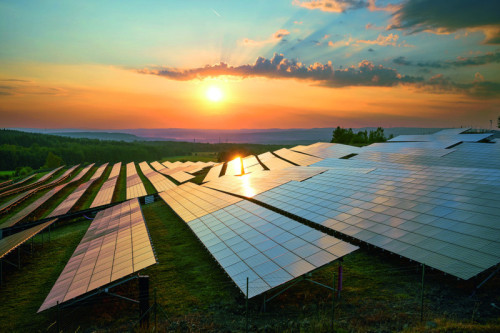
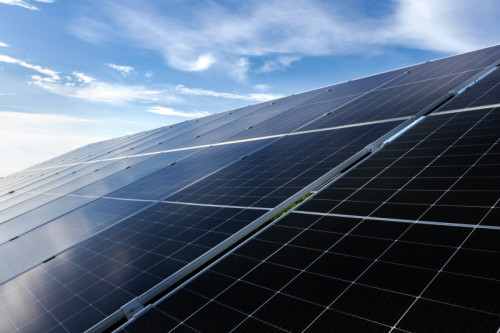
Solar is essential for reaching the UK Government’s target of 95% of electricity generation from low-carbon sources by 2030 in part because solar panels, can be installed much faster than other renewable infrastructure, making them key to meeting the 2030 target.
To help achieve this, the UK Government’s Solar Roadmap, published in June 2025, sets out a robust plan to accelerate the expansion of solar energy nationwide. At its core, the roadmap commits to increasing the UK’s installed solar capacity to at least 70 gigawatts (GW) by 2035, up from approximately 15 GW in 2025. This growth will be achieved through a blend of large-scale solar farms and widespread rooftop installations across homes, schools, commercial and public buildings.