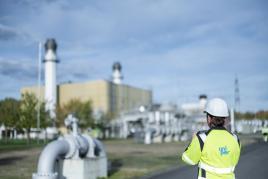
Two employees at Scholven Power Plant

Flexible power generation

Flexible power generation

Flexible power generation

At a glance

  • Only with dispatchable capacity can the energy system remain stable as the share of renewables grows. 
  • Dispatchable power plants provide what is known as firm capacity – electricity that is available at any time, regardless of weather or time of day. 
  • Uniper's flexible power plants secure supply when solar and wind fall short. 
  • Uniper operates approximately 8 GW of installed capacity in Germany, of which 2.5 GW serves as reserve capacity – equivalent to 25% of Germany's power plant reserve. 
Power beyond weather
Image
unverzichtbar_landingpage_assets_powerplant

We keep the lights on – even when wind and sun don't deliver

Germany's energy system is undergoing a fundamental transformation. The share of wind and solar is rising, while conventional power plants are being gradually decommissioned. In 2025, wind and solar accounted for around 46% of Germany's electricity generation – and the trend is upward. That is a positive development, but the reliance on wind and sunshine makes power generation significantly more volatile than it was just a decade ago. And by 2030, 80% of Germany's gross electricity consumption is set to come from renewable sources.1

The challenge: renewables do not deliver evenly or continuously. Over the past ten years, more than 1,400 so-called dark doldrums (Dunkelflauten) lasting longer than ten hours were recorded in Germany. Dark doldrums (Dunkelflauten) are periods of very low power generation from wind and solar (less than 10% of installed capacity). On average, such an episode occurred roughly every three days. 

And as demand rises further through the electrification of industry, heating, and transport, energy is needed even during dark doldrums (Dunkelflauten). Flexible, dispatchable power plants close this gap. They deliver electricity precisely when it is needed – regardless of weather or time of day. 

Uniper holds 2.5 GW of reserve power plant capacity for exactly this purpose, contributing to the stability of the electricity system. That means Uniper secures approximately 25% of Germany's power plant reserve – ensuring firm capacity is available at all times. 

Reliable power supply
Image
Front view of Irsching gas power plant

We secure supply when it matters most

Uniper operates a portfolio of hydro, gas, and coal-fired power plants with generation capacity that can be deployed to balance supply and demand across the electricity system. 

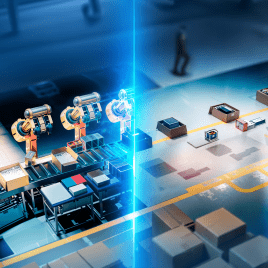
When renewables cannot meet demand, the energy system must work in concert: power plants, imports, and storage work together to keep supply stable. 

Battery storage systems are the sprinters of the system. They respond in fractions of a second, shift solar power from midday to the evening, and dampen price spikes. Their typical range, however, is limited to a few hours – multi-day shortfalls are beyond their reach. Pumped-storage hydropower plants complement them as the middle-distance runners: long-lasting, proven, and capable of providing large volumes of energy over several hours for grid stability and load shifting. 

Together, battery and pumped storage make an important contribution to integrating renewables and providing short-term flexibility. But dark doldrums (Dunkelflauten) often last several days. This is where storage technologies reach their systemic limits – they stabilise the system but cannot replace firm capacity over extended periods. 

For these multi-day shortfall periods, dispatchable power plants are essential – in particular modern, hydrogen-ready gas-fired power plants. They generate electricity rather than merely shifting it, are available over extended periods, and backstop the system precisely when renewables, storage, and imports are not enough. These plants run comparatively rarely – their value lies in their availability during critical hours and days.

Image

Stability is built on interplay

Security of supply is created through the integration of different elements – and it is at the heart of the energy transition for Uniper. To achieve this, Germany needs a robust system: renewable energy, complemented by storage for short-term flexibility and new, flexible gas-fired power plants for extended shortfall periods, firm capacity, and system stability. 

As the share of renewables grows, this interplay becomes ever more important for the functioning of the energy system.


We are future-proofing energy supply

Uniper is strategically evolving its portfolio to ensure electricity remains reliably available in the future. This includes the planned exit from commercial coal-fired power generation by 2029 at the latest, as well as the continued development of existing gas-fired power plants. At the same time, Uniper is working to build new capacity that can prospectively run on hydrogen or be enhanced through technologies such as carbon capture. Uniper is also optimizing its storage capacity and researching new technologies in this field. The result: an energy system that is being built step by step to be both reliable and climate neutral.

FAQ

FAQ

Germany needs dispatchable power plants because renewable energy sources such as wind and solar are not continuously available. Uniper provides flexible power plant capacity that is deployed when renewable generation falls short, thereby contributing to the security of electricity supply. 

Dark doldrums (Dunkelflauten) are periods of simultaneously very low power generation from both wind and solar. Such episodes occur regularly and often last for many hours. During these situations, Uniper's dispatchable power plants help ensure Germany's electricity supply remains secure.

As the share of renewables in the energy system grows, the volatility of power generation increases. Uniper provides generation and storage capacity that balances these fluctuations, helping to ensure the energy transition succeeds while maintaining a secure electricity supply.

Uniper is strategically advancing its portfolio to progressively decarbonise energy supply while keeping it reliable. This includes the planned exit from commercial coal-fired power generation by 2029 at the latest, the further development of existing power plants, the construction of new dispatchable capacity with net-zero potential, and investment in and research into storage technologies. At the same time, Uniper is pursuing the use of hydrogen as well as carbon capture and storage technologies (CCS/CCU). In doing so, Uniper combines security of supply with the transformation toward a climate-neutral energy system.

Learn more about our contribution to security of supply

Front view of Irsching gas power plant

Power plants in Germany

Uniper operates power plants in Germany with ~8 GW of capacity. They deliver electricity reliably and balance fluctuations from renewables – a cornerstone of security of supply and grid stability.

Technical facility components in operation at the Scholven site.

Power generation

Uniper's power generation combines hydropower, gas, and other assets into a flexible portfolio. We supply electricity on demand – independent of weather and time of day, aligned with the energy system.

Dunkelflauten

Dark doldrums (Dunkelflauten)

Over the past 10 years, there have been >1,400 Dunkelflauten lasting >10 hours. These episodes show: the interplay of storage and dispatchable power plants is indispensable for security of supply.