




Uniper is indispensable to Germany's energy system. As one of the largest gas traders and a major power generator, Uniper makes a significant contribution to security of supply. Uniper’s portfolio is deliberately designed for resilience and diversification. This includes, among other things, generation capacity from gas and hydropower, a broad range of natural gas and LNG supply sources, as well as gas storage facilities that account for around one quarter of Germany’s storage capacity.
At a glance
- Geopolitical tensions and volatile markets are making security of supply one of the central challenges of our time.
- Security of supply is created through collaboration: through an interconnected system that responds flexibly to fluctuations and provides stability.
- Uniper keeps this system in balance through flexible power generation, global energy trading, and energy storage, ensuring that energy is reliably available at all times.
Indispensable across Europe
Indispensable across Europe
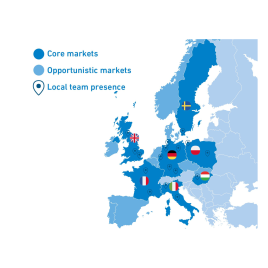
Uniper is a leading power and gas utility in Northwestern Europe with high systemic importance.
Top 5
Power Producer
in Northwestern Europe
Top 2
Flexible Power Producer
in Northwestern Europe with a capacity of ~ 13 GW
Top 3
Leading Gas Supplier
in Germany with ~140 TWh of gas sales
Energy Supply in Germany
How we are securing Germany’s energy supply
We systematically supply Germany with energy – through our flexible power plants, energy trading on global markets, and system-relevant infrastructure for LNG trading and gas storage, we support around 1,000 municipal utilities and corporate customers. Ensuring an energy supply that remains reliable in the face of crises and adverse weather conditions.
Our perspective on energy policy
Our perspective on energy policy
Security of supply is not created by infrastructure alone. Reliable political and regulatory frameworks are also essential. That is why, as a key pillar of the energy system, we actively engage in the energy policy debate and contribute our perspective.
FAQ
FAQ
As one of the leading power generators in Northwestern Europe and a major gas trader, Uniper is a key player in Europe’s energy supply.
Uniper is system-relevant for the energy system in Germany and across Europe, as we make a substantial contribution to gas and electricity supply. We help ensure that around 1,000 municipal utilities and industrial companies are supplied with energy for the economy and for millions of people. Uniper operates critical infrastructure such as gas storage facilities, power plants and LNG terminals, and plays a vital role in ensuring reliable regional resilience – particularly as volatility increases.
Uniper ensures security of supply through a broad and diversified energy portfolio, making sure that energy is available whenever it is needed. This includes sourcing natural gas via pipelines and as LNG, storing it in reserves, and converting and delivering it into electricity through flexible power plants.
A well-functioning and resilient energy system is a prerequisite for prosperity and competitiveness, as both industry and households depend on a reliable and affordable energy. Fluctuations in availability would significantly constrain processes across production, technology and daily life, and lead to economic losses. A resilient energy infrastructure is therefore essential for a secure future in Germany and Europe.
Electricity and heat must be available at all times – including during crises, changing weather conditions, and geopolitical tensions. As renewable energy continues to expand, electricity supply is becoming increasingly weather-dependent. When wind and sunshine output is low, generation declines and imbalances can occur in the grid. Conversely, periods of excess renewable generation can lead to grid congestion, while surplus energy cannot be fully stored. At the same time, global electricity demand is rising, driven by technologies such as artificial intelligence and electromobility.
A reliable energy system requires a balanced mix of renewables and dispatchable, flexible capacity. While renewables already provide a large share of baseline supply, flexible power plants and storage help balance periods of high demand and low generation, such as “Dunkelflauten”. Battery storage also contributes, particularly in addressing short-term peaks, but cannot replace firm capacity over longer periods. Modern hydrogen-ready power plants, sufficiently filled storage facilities, and a diversified gas – and, in the future, hydrogen – supply remain indispensable to ensuring security of supply at all times. Clear and reliable policy framework conditions are crucial to enable the necessary investment in this infrastructure.